Comprehensive Foodservice Consultation Services
Industry and Markets Served
Advisory expertise across complex foodservice environments
TablePoint can be positioned for:
Corporate and workplace dining
Higher education
K-12 Schools
Cultural and visitor attractions
Healthcare and senior living
Hotels and hospitality
Independent and multi-unit restaurants
Public and institutional facilities
Global Reach. Local Expertise.
TablePoint brings foodservice, workplace, and operational expertise to organizations across North America and markets worldwide.
Facilities and Dining space planning
Facilities should support the program rather than constrain it. TablePoint works at the intersection of foodservice strategy and physical planning to help clients define what the operation must accommodate.
Advisory support may include:
Program and space requirements
Functional relationships
Kitchen and production capacity
Receiving, storage, and waste flow
Service-point requirements
Equipment priorities
Operational review of plans
Coordination with architects and designers
Expansion or renovation considerations
Future flexibility
Typical outcome: Operational requirements that help the design team create a more efficient and appropriate facility.
.

Operator and supplier selection
Selecting a foodservice partner is a consequential decision. TablePoint helps clients establish a fair process that focuses proposals on the factors that matter most.
Support may include:
Procurement strategy
Scope and performance requirements
Request for proposal development
Financial and operating specifications
Pre-proposal meetings and site visits
Proposal review and comparative analysis
Interview and presentation facilitation
Reference-check criteria
Negotiation support
Transition planning
Typical outcome: A transparent, well-documented selection process aligned with the client's priorities.
Operational performance improvement
When a program is underperforming, isolated fixes rarely produce lasting results. TablePoint considers the relationships among menus, labor, purchasing, workflows, service expectations, and management systems.
Improvement initiatives may focus on:
Food and labor cost controls
Menu engineering
Production planning
Scheduling and deployment
Purchasing practices
Inventory management
Kitchen and service workflows
Quality assurance
Training and accountability
Performance metrics and reporting
Typical outcome: A prioritized improvement plan built for practical execution, not a collection of abstract recommendations.
.
Strategic and master planning
A strong plan connects the organization's mission to a foodservice model that can be operated and sustained. TablePoint helps clients define the role foodservice should play and determine how the program should evolve.
Planning may address:
Program vision and guiding principles
Audience needs and demand
Recommended service models
Concept and venue mix
Operating and management alternatives
Financial expectations
Facility priorities
Technology requirements
Phasing and implementation
Measures of success
Typical outcome: A strategic roadmap that gives decision-makers a shared direction and a sequence for moving forward.

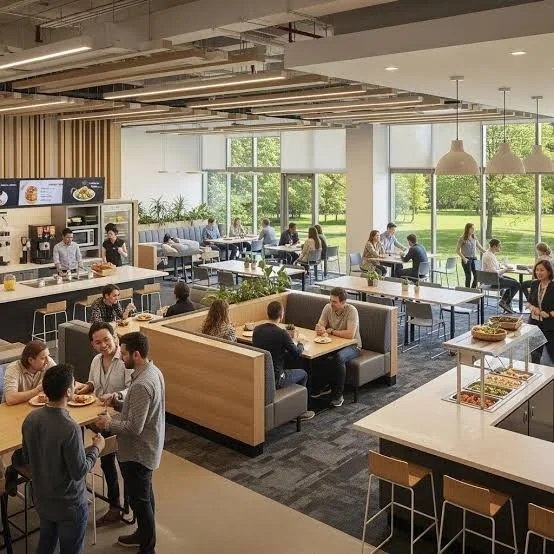
Concept and experience development
An effective concept is more than a theme or menu. It brings together audience expectations, culinary identity, service design, physical space, and operating discipline.
TablePoint helps define:
Concept positioning
Target audience and occasions
Culinary and menu direction
Service style and customer journey
Hours and points of service
Pricing strategy
Capacity and throughput requirements
Labor and operational implications
Brand and environmental considerations
Typical outcome: A clearly defined concept that can guide design, budgeting, procurement, and implementation.